The kitchen sink is undoubtedly the hub of activity in any kitchen. It sees constant use as it plays a crucial role in food preparation, cooking, and dish cleaning, making it the most utilized area in the kitchen.
Before purchasing a kitchen sink, it is essential to conduct thorough research to ensure you select a model that best suits your needs and usage patterns. If you find the selection process overwhelming, consider leveraging trustworthy online resources like Faucets Review. Such platforms offer comprehensive and honest evaluations of various sink models, helping you make an informed decision with confidence.
 |
| Image Credit : Goldbathroom.uk |
Consider these things before you buy a kitchen sink
Choosing the right kitchen sink can indeed be a daunting task, given the vast array of sizes, types, shapes, and materials available. To simplify the selection process, it's helpful to break down the options into two primary categories.
Firstly, we'll consider the size of the kitchen sinks. This straightforward categorization helps you determine which sinks will fit your kitchen space and meet your daily needs. Whether you need a large basin to handle big pots and pans or a compact sink for a smaller kitchen, size is a crucial factor.
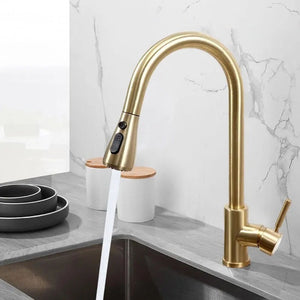
Image Credit : Tapron.co.uk
The second category is more comprehensive and includes various aspects such as the shape of the sink, the materials from which it is made, installation types, and other relevant characteristics. This category delves deeper into the aesthetics and functionality of the sinks, exploring how each type can enhance your kitchen's efficiency and style.
Your primary objective in this process is to find the kitchen sink that best aligns with your practical requirements and aesthetic preferences. By categorizing sinks in this way, you can more easily navigate the myriad options and make a decision that ensures satisfaction and enhances your kitchen's overall functionality.
These are the main things you should consider before buying a kitchen sink.
1. Choose a kitchen sink according to its size
Choosing the right size sink is crucial for maximizing the functionality and efficiency of your kitchen. Large sinks typically provide more space for washing and cleaning, making them easier to use, especially when handling large items like pots and pans. However, the size of your sink must also be balanced with the available space in your kitchen. Installing a large sink in a small kitchen can overwhelm the space and restrict movement.
Additionally, before opting for a larger sink, it’s important to consider the structural aspects of your kitchen, such as the strength and durability of your countertops. Ensure that the material of your countertop can support the weight and size of a larger sink without risk of damage. This consideration helps prevent structural issues and ensures that your kitchen remains both functional and safe. Making an informed decision about the size of your sink will contribute significantly to a more practical and enjoyable kitchen environment.
2. Different features can be used to design kitchen sinks
Kitchen sinks come with a diverse range of features, making the category quite extensive. To organize and simplify this variety, it's practical to break down the features into several sub-categories.
One such sub-category is the shape of the sink . The shape can significantly impact both the functionality and aesthetic of the kitchen. Sink shapes vary widely, from traditional rectangular and round designs to more contemporary or custom shapes like square, D-shaped, or even triangular. Each shape offers different benefits and suits various kitchen styles and needs.
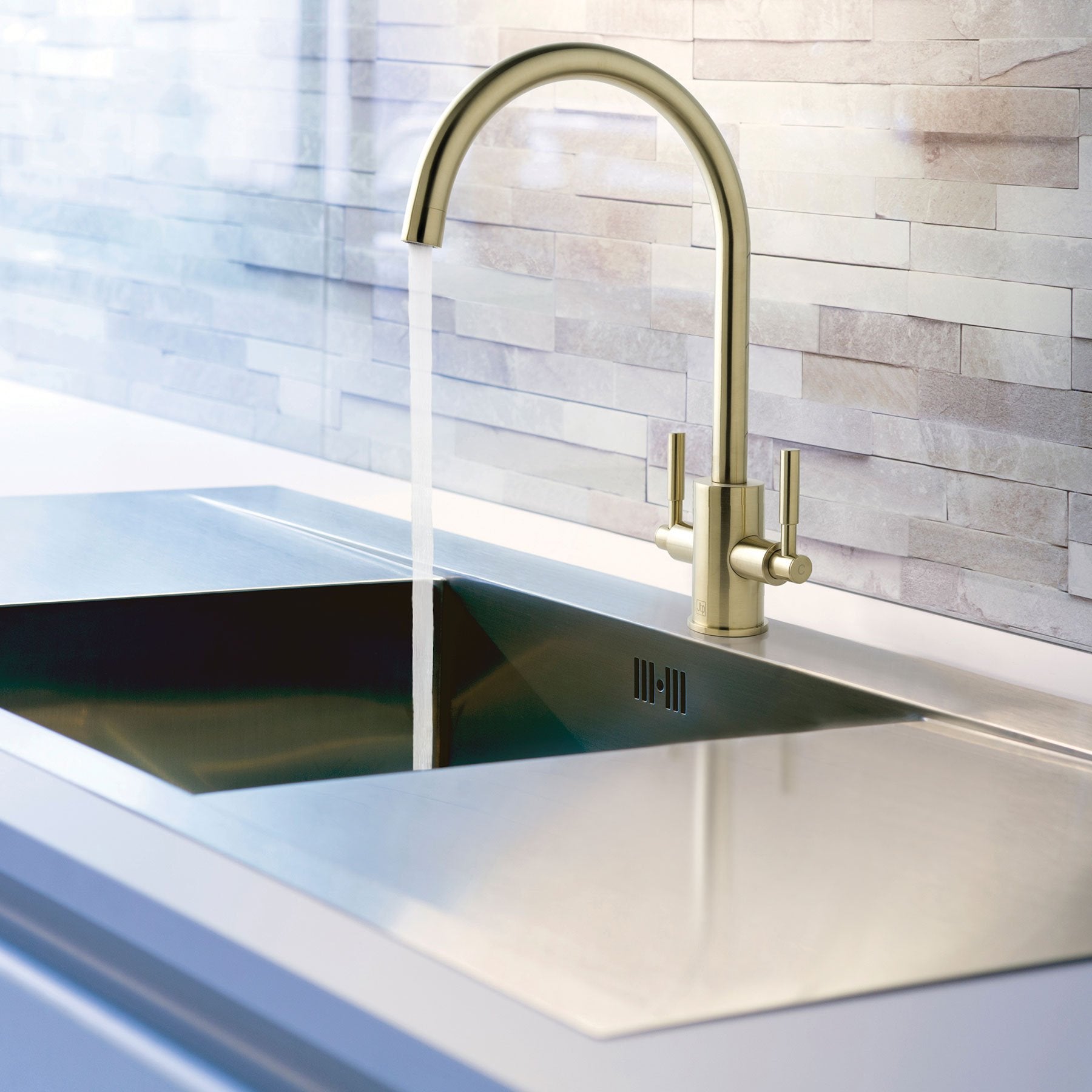
Image Credit : Goldbathroom.uk
Another important sub-category is materials used in sink construction. Common materials include stainless steel, composite granite, ceramic, and cast iron, each offering distinct advantages in terms of durability, maintenance, and overall appearance.
The method of installation is another critical sub-category. Installation types such as top-mount, under-mount, and farmhouse each provide different aesthetic appeals and have practical implications on the use and maintenance of the sink.
Exploring these sub-categories helps in understanding the full spectrum of options available, allowing you to make an informed decision on the best sink that matches your kitchen’s design and meets your functional needs.

Image Credit : Goldbathroom.uk
When considering different kitchen fixtures, it's important to evaluate the pros and cons of various options. If you're curious about the effectiveness of pull-out kitchen taps, you can explore more insights in this informative article on Are Pull-Out Kitchen Taps Any Good? . Check out the blog here : https://goldbathroom.uk/blogs/news/types-pull-out-taps-are-pull-out-kitchen-taps-any-good-gold-bathroom-uk
The shapes of the kitchen sink
There is a wide variety of kitchen sink types to choose from, each offering unique benefits and styles that can enhance your kitchen's functionality and aesthetic. These types include round sinks, which are perfect for smaller kitchens or as secondary sinks; rectangular sinks, which provide ample space for washing and are a common choice due to their practical shape; undermount sinks, known for their sleek appearance as they are mounted below the countertop to create a seamless look; and farmhouse sinks, which feature a distinctive apron front and offer deep basins ideal for handling large pots and pans. Selecting the right type depends on your kitchen’s layout, your style preferences, and your specific cooking and cleaning needs.
a. Round sinks
These sink types are highly favored for their straightforward design, which simplifies the cleaning process significantly. They offer ample space, accommodating a variety of dish, pot, and pan sizes, enhancing their utility in the kitchen. Their versatility is another key advantage; for example, round sinks can be particularly adaptable, fitting well into kitchens of any size, from compact to expansive. This adaptability makes them an excellent choice for both small and large kitchens, where they can be seamlessly integrated without compromising on style or functionality. Whether you're dealing with limited space or have room to spare, these sinks provide a practical and aesthetically pleasing solution to your kitchen needs.
b. Rectangular sink
Rectangular sinks, while offering a modern and stylish appearance, can be more challenging to clean compared to round-shaped sinks. This difficulty often arises from the sharp corners and straight edges, which may collect debris and require more detailed scrubbing. Despite this, the sleek, contemporary look of rectangular sinks adds a touch of elegance to any kitchen design, making them a popular choice among homeowners.
Additionally, rectangular sinks are versatile in terms of installation options. They are particularly well-suited for kitchen islands, where their elongated shape complements the expansive countertop space, enhancing both functionality and visual appeal. This feature allows for more efficient use of space in the kitchen, providing a large, continuous workspace for food preparation and cleaning tasks.
Farmhouse sinks
Farmhouse sinks are revered for their classic style, blending traditional aesthetics with functional design. While they maintain a rectangular shape, these sinks often feature softer, curvier edges that not only enhance their visual appeal but also facilitate easier cleaning. The curved sides are less prone to trapping debris, making them more straightforward to maintain than their strictly rectangular counterparts.
However, one potential drawback of farmhouse sinks is their limited color variety. Often available in standard shades such as white or stainless steel, it can be challenging to match them with a diverse range of kitchen countertop colors and materials. This limitation requires careful consideration when designing or renovating your kitchen to ensure a cohesive color scheme that complements the classic elegance of the farmhouse sink.
4. Do you prefer a double bowl or a single-bowl sink?
When selecting kitchen sinks, you have two main options regarding the configuration of the bowls: single or double bowl sinks. While both have their merits, many homeowners opt for double-bowl sinks due to their enhanced functionality and versatility.
Double-bowl sinks allow for more diverse use of the sink area. For instance, you can use one bowl for soaking dishes, pots, or pans, which frees up the other bowl for tasks like rinsing produce or cleaning other dishes. This setup is particularly useful during meal preparation or cleanup when multiple tasks need to be handled simultaneously without cross-contamination.
The choice between a single or double bowl sink largely depends on your kitchen habits and space availability. Double-bowl sinks are excellent for larger kitchens or for those who often cook and handle a lot of dishes at once. Conversely, single-bowl sinks can be more fitting for smaller kitchens or for those prioritizing a minimalist setup, as they often require less counter space.
3. Kitchen sinks made from materials
Kitchen sinks are available in a variety of materials, each offering unique benefits and aesthetics. Common materials used by manufacturers include stainless steel, granite, and porcelain, which cater to different preferences and kitchen styles.
Stainless Steel : Renowned for its durability and ease of maintenance, stainless steel sinks are a popular choice for many homeowners. They are resistant to heat, stains, and rust, making them practical for high-use kitchens. Their sleek, shiny finish can complement both modern and traditional decor.
Granite : Granite sinks are valued for their sturdiness and luxurious appearance. They offer excellent resistance to heat, scratches, and chips. Available in a range of colors, granite sinks can be a statement piece in a kitchen, blending beautifully with high-end countertops.
Porcelain : Porcelain sinks, often found in traditional or farmhouse-style kitchens, provide a classic look that never goes out of style. They are available in various colors, although white is the most common. Porcelain can be susceptible to chipping and staining, so it may require more careful handling and maintenance.
When selecting a kitchen sink, it's also essential to choose taps that complement both the material of the sink and the overall design of the kitchen. kitchen taps are available in materials such as stainless steel and brass, each adding its character and functionality to the kitchen setup. Stainless steel taps are a versatile and durable option that matches well with most sink materials, while brass taps can add a touch of elegance and warmth, ideal for creating a more traditional or vintage look. Choosing the right combination of sink and tap materials can enhance the kitchen's functionality and aesthetic appeal, ensuring that both elements work harmoniously within your kitchen design.
 |
| Image Credit : Goldbathroom.uk |
Sink in stainless steel
Stainless steel sinks are indeed the most popular choice for many kitchens due to their versatility and practical benefits. Their sleek, neutral appearance makes them easy to integrate into a wide variety of kitchen interior designs, from modern and minimalist to traditional.
One of the primary advantages of stainless steel sinks is their durability. They are resistant to rust, stains, and corrosion, ensuring a long lifespan even with frequent use. Additionally, these sinks are straightforward to clean, requiring only basic maintenance to keep them looking new.
However, a common drawback of stainless steel sinks is their tendency to be noisy. The metal can amplify the sound of water hitting the basin or dishes being washed, which can be a nuisance for some users. To mitigate this issue, many manufacturers now offer sinks with built-in sound-dampening technologies, such as coatings or pads that absorb sound and reduce noise during use. These enhancements help maintain the practicality and aesthetic appeal of stainless steel sinks while addressing one of their few shortcomings.
Porcelain sinks
Porcelain sinks are indeed more commonly found in bathrooms, but they are also a popular choice for kitchens, particularly in designs that emphasize a traditional or farmhouse aesthetic. The classic appearance of porcelain lends a timeless charm that can complement both rustic and elegant interiors.
One of the attractive features of porcelain sinks is their availability in a wide range of colors. This versatility makes it easier for homeowners to match the sink with their kitchen cabinets and overall color scheme, allowing for a coordinated and cohesive look. Whether you're aiming for a bright and bold style or a more subdued and harmonious design, a porcelain sink can be a focal point that ties the room together.
Additionally, porcelain sinks offer a smooth, glossy surface that adds a touch of luxury to the kitchen. However, it's important to consider that while porcelain is durable, it can be susceptible to chipping or cracking if not treated with care. Regular maintenance and gentle handling will ensure that a porcelain sink remains a beautiful and functional part of your kitchen for years to come.
Granite sinks
Granite sinks, composed of about 80% granite particles and 20% resin, offer a robust and visually appealing option for kitchen design. Their unique composition gives them a distinctive sandy appearance that blends seamlessly with various styles, from contemporary to traditional kitchens.
One of the standout features of granite sinks is their wide range of available colors. This versatility allows homeowners to select a sink that perfectly matches or complements their kitchen’s color palette and aesthetic, making granite sinks a flexible choice for interior design.
In terms of durability, granite sinks excel. They are incredibly resistant to scratching, scuffing, and impacts, making them an ideal choice for high-traffic kitchens. This resistance ensures that granite sinks not only maintain their beauty over time but also stand up well to the rigors of daily kitchen activities. Whether you’re handling heavy pots and pans or dealing with the everyday wear and tear of kitchen tasks, a granite sink can withstand the challenges while maintaining its elegant appearance.
Conclusion
Selecting the right kitchen sink hinges largely on the dimensions of your kitchen space. A sizable kitchen naturally demands a correspondingly ample sink to accommodate various food prep tasks and dishwashing needs effectively.
Once you've gauged the size of your kitchen, it's time to delve into the specifics. Consider the features that align with your preferences: do you lean towards a single or double bowl configuration? Are you drawn to the sleek lines of a rectangular sink or the classic appeal of a round one? Additionally, weigh the merits of materials like stainless steel or porcelain, assessing their durability and aesthetic appeal in relation to your kitchen design.
Ultimately, the goal is to select a sink that not only fits seamlessly within your kitchen layout but also offers the functionality and features that best suit your needs and preferences. With careful consideration and a clear understanding of your requirements, you'll be well-equipped to make a confident choice. Best of luck in your decision-making process!

Image Credit : Goldbathroom.uk
When upgrading your kitchen fixtures, it's crucial to also consider the quality of basin taps. For comprehensive guidance on selecting top-notch basin taps, you can refer to this informative article on https://goldbathroom.uk/blogs/news/how-to-replace-basin-taps
